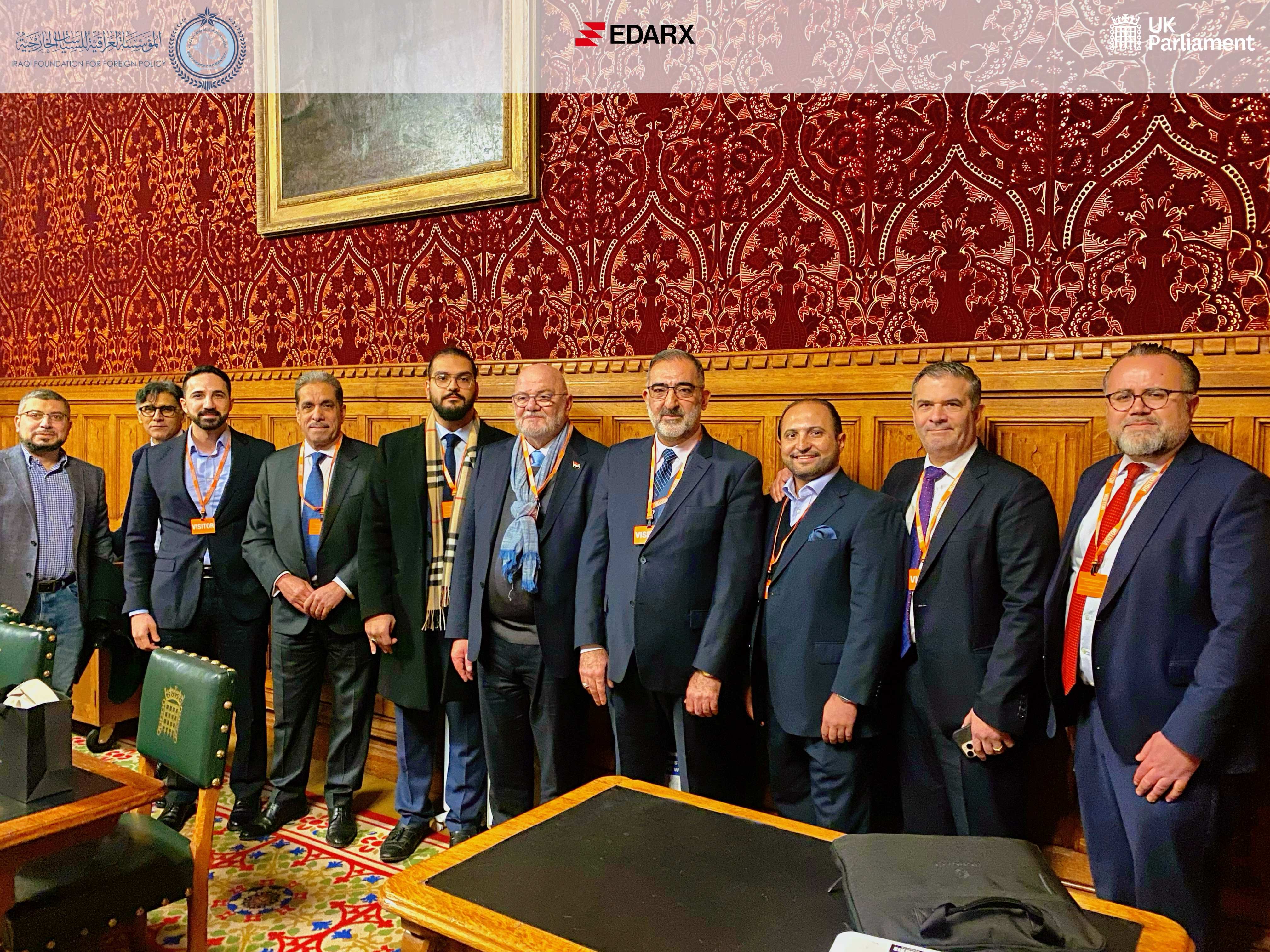

Iraq’s economic ambitions were under close scrutiny at a London forum in November 2024, where policymakers, investors and analysts gathered to assess whether the country can convert its considerable potential into sustainable investment. The discussion, hosted by the Iraqi Foundation for Foreign Policy at the Palace of Westminster, underscored a central tension: opportunity in abundance, but constrained by governance and regulatory risk.
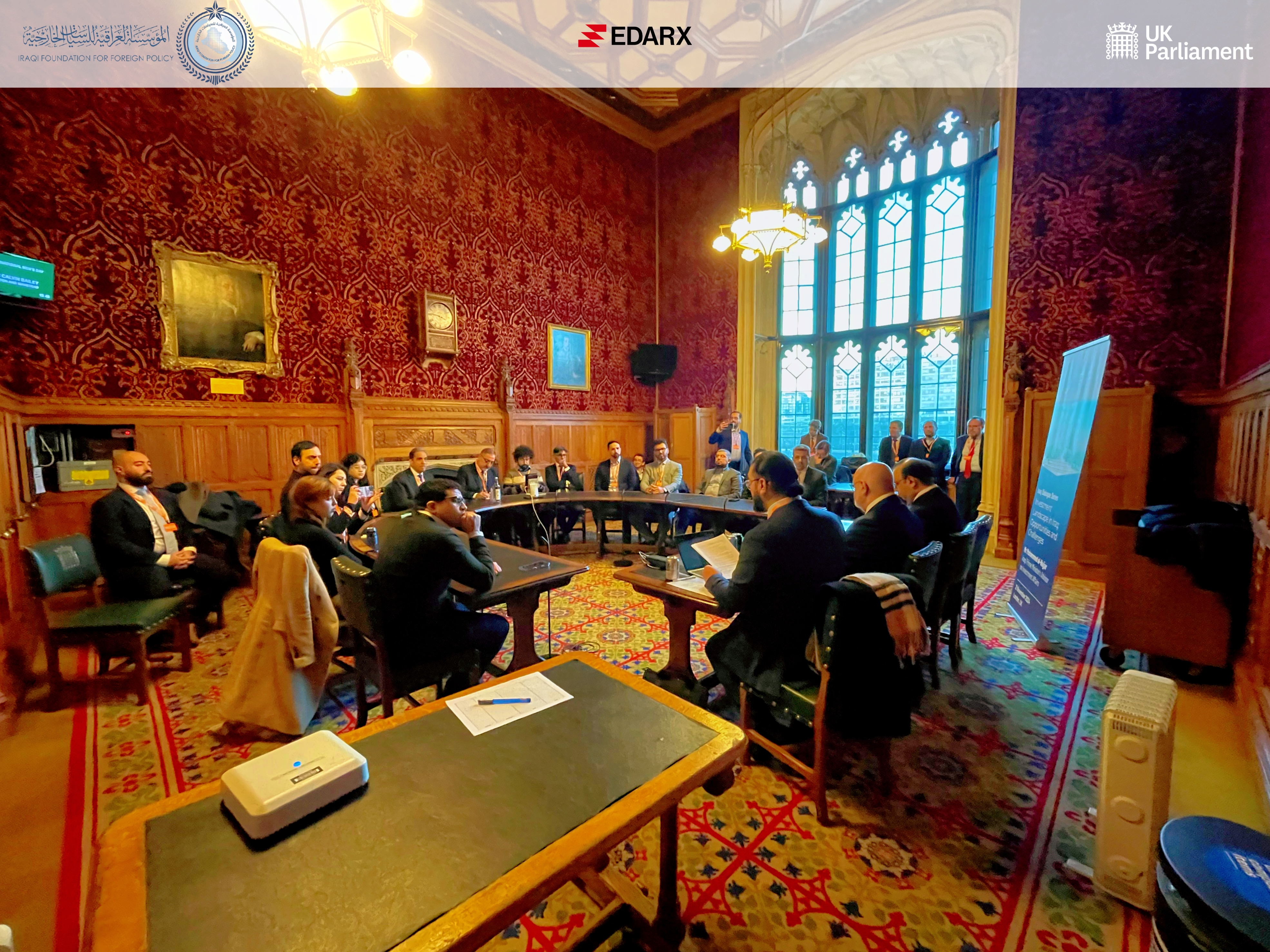
The Iraq Fund for Development announced that it had secured US $1.5bn in investment commitments, aimed at infrastructure upgrades, private‑sector expansion and human‑capital development. Speakers pointed to a demographic advantage, with two‑thirds of Iraqis under the age of 25, and a fast‑growing appetite for digital services.
Yet the sentiment was far from unqualified optimism. Investors repeatedly highlighted fragmented regulation, outdated administrative systems and frictions that slow capital deployment. For many, risk, not opportunity, is the binding constraint on Iraq’s economic resurgence.
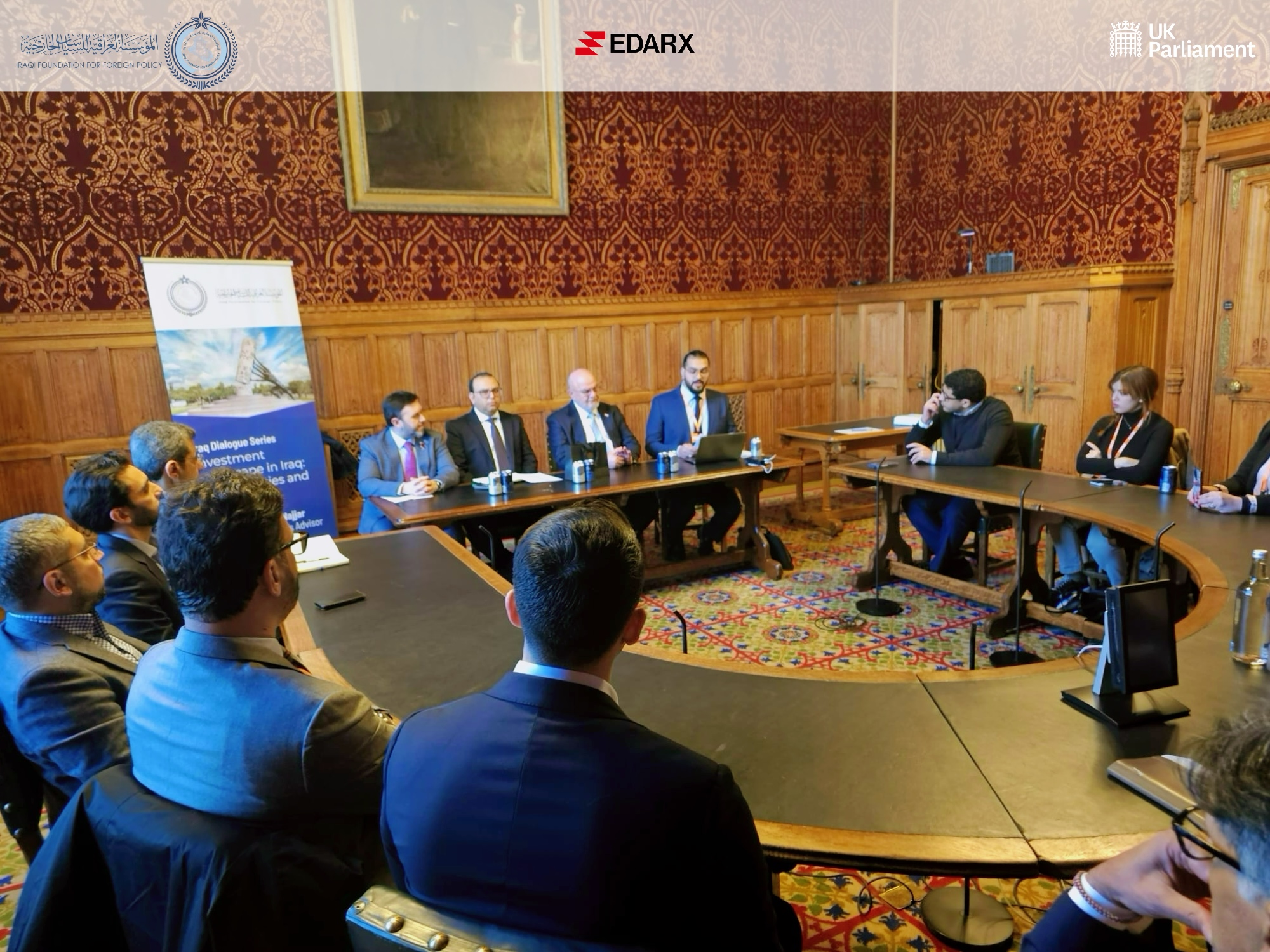
From Edarx’s perspective, the path forward is unambiguous: modernisation must begin with digitised regulation, AI‑enabled governance and upgraded fintech infrastructure. These, participants argued, are the foundations required to rebuild investor confidence and establish transparency in an economy where data gaps remain a structural challenge.
The forum reflected a broader shift across emerging markets: capital increasingly follows the quality of institutions and data, not simply the promise of growth.